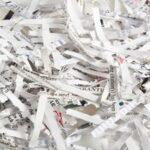

Shredding business documents is a crucial aspect of data security and compliance. By properly disposing of sensitive information, you can protect your organization from potential breaches and legal penalties. From customer information to financial data, these documents often contain sensitive information that needs to be protected. Shredding is a crucial step in ensuring the security of your business and preventing identity theft or other legal issues.
Three benefits of outsourced document shredding for businesses:
- Ensure data protection: A shredding service can prevent unauthorized access to sensitive information, reduce the chance for identity theft, and protect your company from a data breach which can lead to lawsuits or loss of confidence among employees and customers.
- Adhere to compliance requirements: It’s likely that your industry has specific record retention requirements for proper document storage and destruction of files. Secure document shredding ensures compliance with these regulations so you can avoid hefty penalties and lawsuits.
- Cost savings: If you’re wondering how to securely shred documents and save money, a weekly or monthly shredding pickup service with onsite shred consoles not only reduces the need for staff to spend valuable time on document shredding in-house, but also ensures that sensitive information is securely shredded as part of your organization’s data management strategy. This means you save on overhead costs and risk mitigation.
What Business Documents Should be Shredded?
Depending on the nature of the document, certain business records may be required to be retained permanently or for many years. Other business documents, such as accounting and tax records or human resource documents, may be eligible for destruction after a seven-year retention period. It’s important to check the record retention requirements for your industry and state before shredding business documents. If you are unsure about the retention periods, state and federal guidelines, or a company attorney, are good resources for record retention requirements.
Types of business documents to shred include:
-
- Financial and tax records: bank statements, invoices, receipts, expense reports, tax return documents
- Customer information: Names, phone numbers, email addresses
- PPI (Private Personal Information): credit card information, social security numbers, addresses, and bank account information
- Human resource records: employee files such as performance reviews, payroll records, health insurance and benefits documents
- Legal documents: Court documents, contracts and agreements (if applicable), legal counsel correspondence
- Confidential memos and project plans: internal staff notes, company policies, trade secrets
- Financial and tax records: bank statements, invoices, receipts, expense reports, tax return documents